
.svg)
Pediatric
Care
Healthy feet play a big role in how your child grows, moves, and stays active. At Summit Foot + Ankle, our pediatric podiatry services focus on diagnosing, treating, and preventing foot and ankle conditions in infants, children, and teens, so your child can walk, run, and play comfortably.

When Should My Child See a Podiatrist
As a parent, you want your child to grow, play, and stay active without pain. While many foot changes are a normal part of development, some issues with pediatric feet benefit from early professional care. Knowing when to see a podiatrist can help prevent long-term problems and support healthy growth.
.png)

Why Pediatric Foot Care Matters
Children’s feet grow quickly, and small issues can become bigger problems if they’re ignored. Early foot care can help identify:
- Structural concerns
- Muscle imbalances
- Walking or posture issues
- Growth-related conditions
- Injuries that may not heal correctly without support
According to the American Academy of Podiatric Sports Medicine, early evaluation can support proper development and reduce the risk of chronic pain or injury as children grow.Some concerns resolve naturally over time, but others benefit from monitoring, treatment, or preventive support.
.jpg)

Signs Your Child May Need to See a Podiatrist
If you notice any of the signs below, a pediatric podiatry evaluation may be helpful.

01
Persistent Foot or Heel Pain
Occasional soreness can be normal, especially after sports. But ongoing pain in the feet, heels, or ankles, especially during or after activity, shouldn’t be ignored.
02
Abnormal Walking Patterns
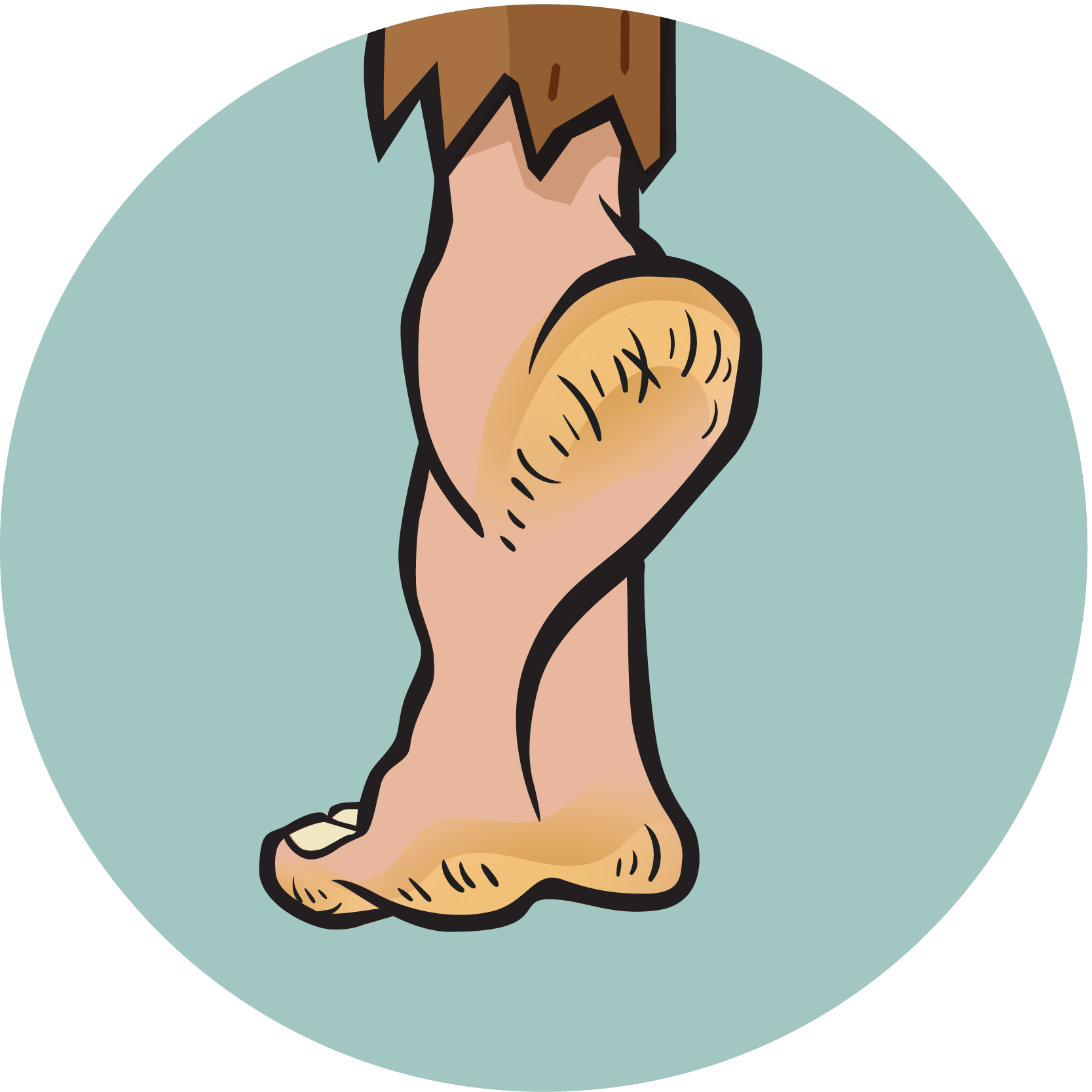
Watch how your child walks and runs. Limping, toe-walking, frequent tripping, or uneven steps may signal alignment or balance concerns.
The National Institutes of Health (NIH) notes that early evaluation of gait issues can help prevent strain on joints and muscles.

03
Foot Deformities or Visible Changes
Concerns like flat feet, bunions, uneven toes, or toes that curl under may benefit from early monitoring and treatment.
04
Recurrent Injuries
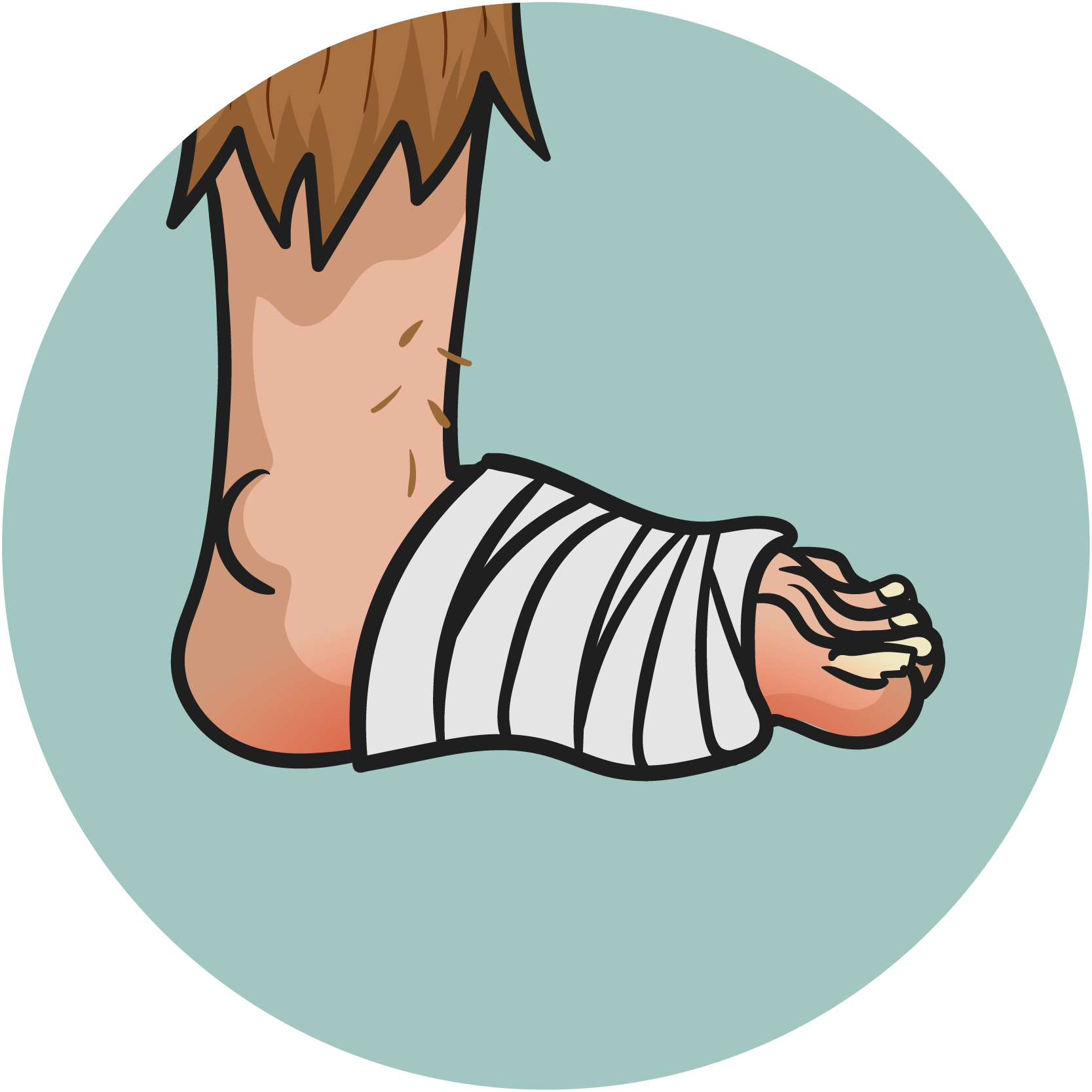
Frequent ankle sprains, stress injuries, or fractures may indicate instability or improper foot mechanics. Early care can reduce the risk of future injury and support safe activity.
05
Skin or Nail Problems
Children commonly experience:
- Warts
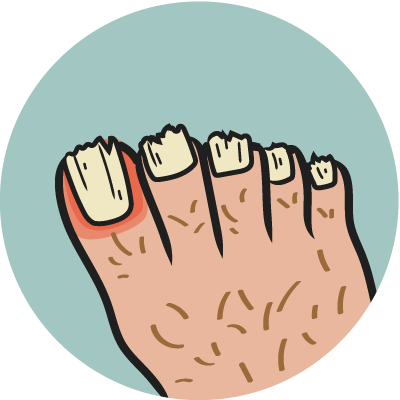
- Ingrown or irregular toenails
- Eczema or irritated skin
- Fungal infections
A podiatrist can treat these concerns in-office and guide parents on safe at-home care.
Pediatric Foot & Ankle Conditions We Treat
Children can experience a wide range of foot and ankle issues. Our pediatric services commonly treat:
- Flat feet
- Toe walking
- In-toeing or out-toeing
- Heel pain (including Sever’s disease)
- Sports-related injuries
- Sprains and fractures
- Ingrown toenails
- Plantar warts
- Congenital foot deformities
- Nail fungus and skin infections
Early treatment can help prevent discomfort, activity limitations, and future complications.


Pediatric Treatment Options
We take a gentle, child-friendly approach to care, making sure both kids and parents feel comfortable and informed at every visit.Depending on your child’s needs, treatment may include:
- Thorough foot and gait evaluations
- Custom or over-the-counter orthotics
- Supportive footwear recommendations
- Conservative care for growth-related conditions
- Nail and skin care for infections or ingrown toenails
- Sports injury management and rehabilitation
- Preventive guidance for healthy foot development
Our goal is always to provide effective treatment with the least invasive approach possible.
Preventive Steps for Healthy Pediatric Feet
Parents can support healthy foot development with a few simple habits:
- Choose proper footwear: Toddlers need different support than older children
- Encourage regular activity: Movement helps strengthen muscles and coordination
- Monitor development: Watch for limping, pain, or changes in walking patterns
- Practice good hygiene: Keep feet clean and dry, and trim nails straight across
These small steps can make a big difference in your child’s long-term comfort and mobility.


When Should I Schedule an Appointment?
Consider scheduling an appointment if your child:
- Complains of foot, heel, or ankle pain
- Walks on their toes or limps often
- Trips or falls frequently
- Avoids physical activity due to discomfort
- Has visible foot or toe changes
- Has persistent warts, ingrown nails, or infections
- Wears out shoes unevenly
Trust your instincts; children don’t always know how to explain pain clearly.
Pediatric Care Q&A
At what age should my child see a podiatrist?

Are flat feet normal in children?
Is toe walking a problem?
Will my child need orthotics?
Are pediatric treatments painful?


